compound libraries pilot batch materials verified raw material manufacturers

Large-scale bioproduction hinges upon a vast array of biomass sources for generating cutting-edge biobased goods.
Safeguarding environmentally mindful sourcing is vital for future-proofing and moral progress in biomanufacturing.
multiple challenges associated with traditional raw material procurement for example habitat harm and overextraction of resources. Therefore, biomanufacturing companies must actively seek out alternative sourcing strategies to minimize their ecological footprint.
- Representations of ethical supply approaches are:
- Utilizing renewable feedstocks derived from agricultural byproducts
- Establishing regenerative loops to cut waste and elevate material utilization
- Collaborating with regional vendors focused on fair procurement
Shifting to ethical sourcing drives environmental value and long-term commercial viability.
Maximizing Feedstock Quality for Increased Biofuel Output
Increasing biofuel conversion efficiency is tied to feedstock composition and condition. Investigators regularly test new routes to upgrade biomass inputs, resulting in superior production volumes and sustainable energy gains. This involves genetic modifications to increase biomass production, as well as pretreatment techniques that break down complex plant materials into more readily fermentable sugars.
- Additionally, researchers are focusing on identifying new sources of biomass, such as algae, waste products, agricultural residues, to expand the range of sustainable feedstocks available for biofuel production.
- By means of ongoing innovation the biofuel sector can achieve substantial advances soon, shaping a cleaner energy future.

Enhanced Upstream Strategies for Biopharmaceutical Yield
spans early manufacturing steps including propagation and cell separation Ongoing innovations have accelerated process enhancement leading to greater yields.
Key advancements include the utilization of novel cell lines, optimized culture media formulations, and intelligent bioreactor designs. These strategies improve manufacturing efficiency and lessen cost and ecological effects.
- Also, evolving practices favor continuous flow processing which supports more agile upstream control.
- This transition to advanced manufacturing techniques is set to transform the sector and accelerate therapeutic timelines.
CRISPR and Beyond: Improving Biopharma Production
evolutions in genetic modification techniques have optimized therapeutic biosynthesis. Via deliberate gene edits, teams amplify protein expression for higher yields. This approach holds immense potential for developing more efficient and affordable biopharmaceuticals to address a wide range of diseases.
Biodegradation Strategies Using Targeted Microbial Cultures
cutting-edge microbial approaches that remediate contamination sustainably. Various microbial strains are capable of breaking down toxins into safer constituents.. By harnessing this natural potential, we can develop environmentally friendly strategies for cleaning up contaminated sites and mitigating the negative impacts of industrial activities.. Analysts explore microbial consortia for targeted removal of metal toxins, pesticide residues, and petroleum contaminants.. These microbes operate in engineered systems or direct environmental applications to metabolize and remove contaminants.
Microbe-based remediation provides compelling advantages over standard remediation methods. Microbial remediation can cut expenses and limit harmful secondary emissions. In addition, microbial approaches enable pollutant-specific treatment without broad ecological disruption. The field is rapidly refining methods to make microbial remediation more efficient and broadly effective.
Informatics-Driven Strategies for Drug Design
Data-driven bioinformatics is critical for modern pharmaceutical innovation. By integrating diverse datasets, bioinformatics enhances candidate identification and therapeutic optimization.
- Through evaluating comprehensive genomic, proteomic, and clinical data, teams detect novel targets and predict drug action.
- Moreover, bioinformatics contributes to drug design by simulating the interactions between drugs and their targets, ultimately leading to the development of more effective drugs.
- In the end, informatics-driven methods streamline development and accelerate delivery of therapeutic solutions to patients.
Optimizing Metabolism to Increase Bioproduct Production
utilizes multiple approaches to enhance production of desirable bioproducts in cells. These strategies can involve genetic modifications to optimize metabolic pathways, regulation of gene expression, and the introduction of novel genes to confer new capabilities.. By optimizing cellular networks, developers can substantially boost target bioproduct output.
This comprehensive strategy could transform numerous sectors such as pharmaceuticals, farming, and renewable energy.

Industrializing Biopharmaceuticals: Risks and Rewards
Upscaling therapeutic manufacturing brings major obstacles along with promising prospects. A primary obstacle is ensuring uniform quality control as volumes rise. Managing it necessitates robust automation, high-fidelity monitoring, and powerful analytical capabilities.
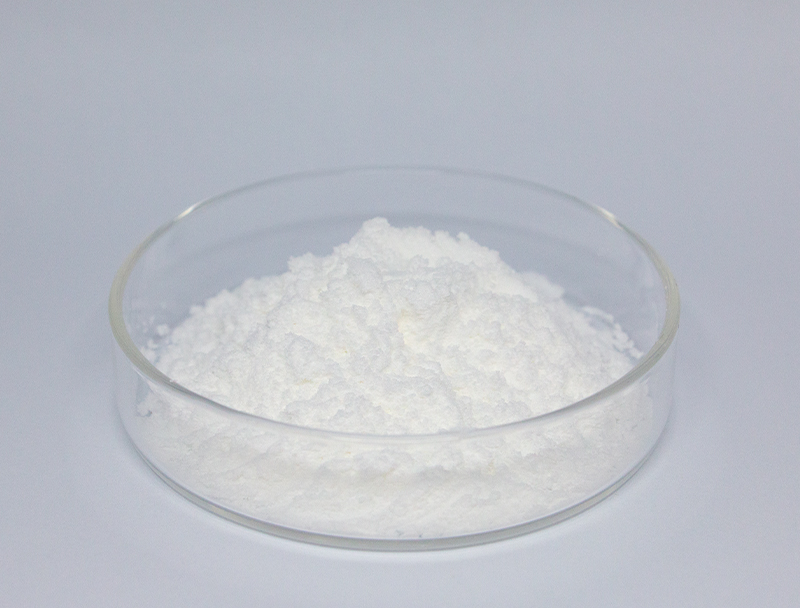
One issue is the complexity of biopharmaceutical manufacturing processes, which 5-Aminolevulinic acid often involve multiple steps.. Refining processes for commercial volumes demands deep R&D investment and novel engineering solutions.. Nevertheless, the upside can be significant. Effective scale-up may expand patient access to therapies, cut unit costs, and improve margins.
Challenges are being addressed through a number of initiatives. Examples include novel optimization technologies, predictive analytics for real-time control, and inventive production models.
- Ongoing innovation drives improvements in industrial production capability.
- Government agencies are streamlining review procedures to permit quicker uptake of new production technologies and foster innovation.
Aligning Biomanufacturing with Regulatory Standards for Patient Safety
Producing biopharmaceuticals demands comprehensive oversight to guarantee safety and clinical effectiveness. Products of biological origin introduce specific challenges that differ from standard drug development.
Regulatory authorities including FDA and EMA are central to creating criteria and processes for approving innovative biologics..
Rigorous testing protocols are mandatory throughout the development lifecycle, from pre-clinical research to post-market surveillance.. Such safeguards are intended to detect hazards and ensure therapeutics adhere to top-tier safety benchmarks..
Likewise, authorities progressively modify regulatory tactics to follow the speed of innovation in biopharma.. Actions include accepting new technologies and streamlining development channels while safeguarding patient health.

Evaluating Plant Biomass for Bioplastic Production
The expanding market for green materials prompts increased R&D into bio-based solutions. Plant-derived biomass as input for bioplastics represents a practical route toward greener materials. Organic feedstocks like cornstarch, cellulose, and sugarcane can be converted to compostable polymers that shrink the environmental footprint of plastics.
Also, many renewable bioplastics exhibit comparable mechanical and functional traits to conventional plastics across applications.. Continuous development will unlock plant biomass value for sustainable bioplastic production and support circular systems.
Biotech's Role in Improving Global Health and Agricultural Resilience
Biotechnology equips researchers with methods to tackle health crises and bolster food availability. Applying targeted genetic edits, synthetic biology frameworks, and cellular therapeutics, practitioners produce measures to address infectious disease, boost harvests, and upgrade nutritional content.. To illustrate, modified plants designed for pest resilience and environmental tolerance can raise outputs and reduce pesticide application.. Concurrently, biotechnology drives development of immunotherapies, antibiotics, and diagnostics that play a key role in controlling diseases and improving health metrics. Going forward, advancements in biotechnology are likely to yield interventions that improve health and advance sustainable food systems globally.
 L-Carnosine